

2025 did not transform the AEC industry overnight.
What it did change quietly but decisively was how construction projects were understood, managed, and controlled using modern construction management software.
Across regions and project types, similar patterns emerged. Growth continued, but margins tightened. Complexity increased, but tolerance for uncertainty decreased. Most importantly, teams realised that many long-standing challenges were no longer operational inconveniences they had become structural risks.
The past year clarified one thing: construction projects in 2025 were shaped less by effort alone, and more by visibility, coordination, and decision timing.
Construction Industry Growth in 2025: Margins Under Pressure
Global construction activity remained strong in 2025. Industry assessments from organizations such as McKinsey & Company and the World Economic Forum continued to place construction’s contribution at over $13 trillion annually, making it one of the largest sectors in the global economy.
However, this growth came with new realities:
- Margins were under sustained pressure
- Project timelines were increasingly compressed
- Clients demanded earlier certainty on cost and delivery
Growth alone was no longer a marker of stability. Firms were expected to deliver predictable outcomes, not just completed projects.
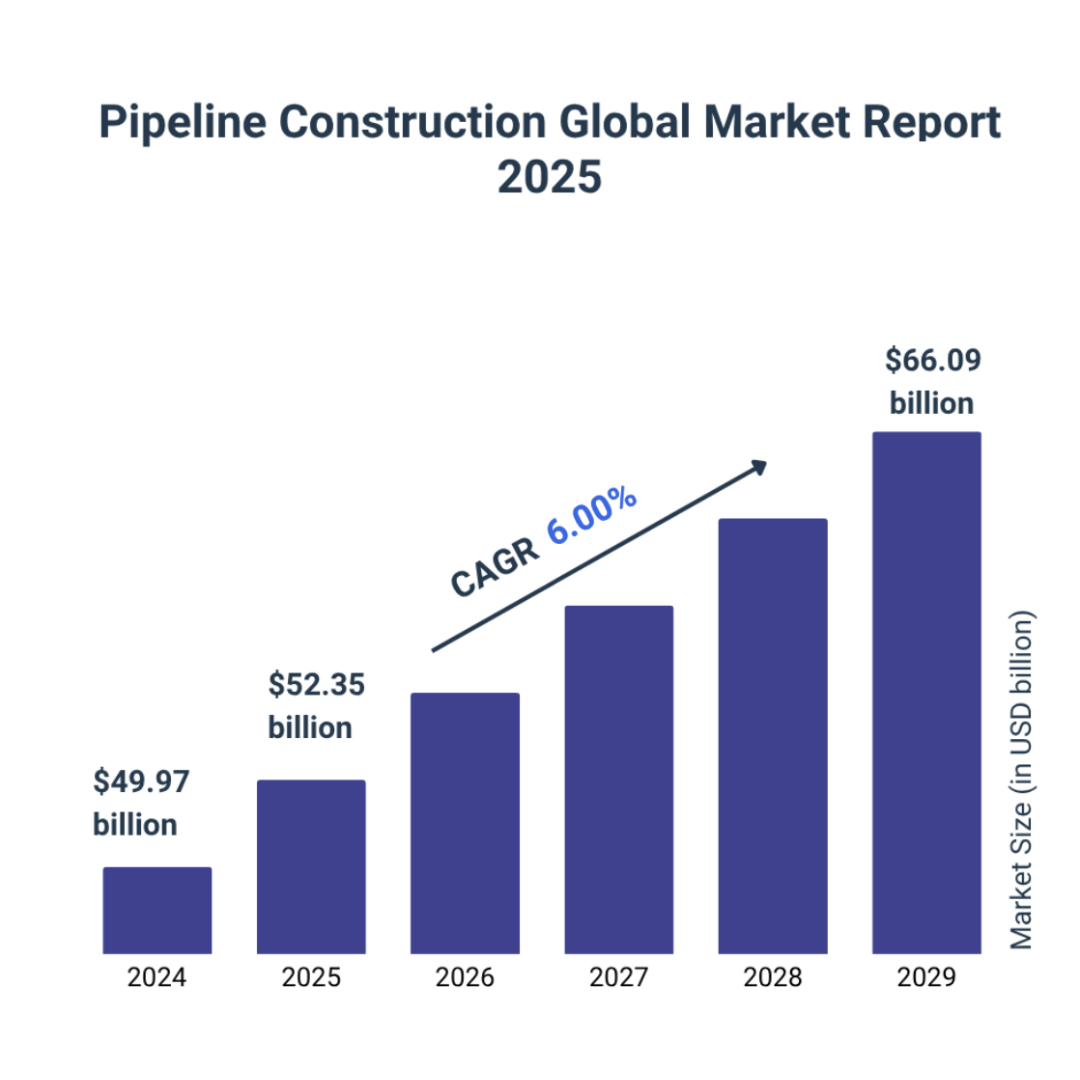
Why Construction Projects Became More Complex in 2025
In 2025, complexity stopped being an occasional challenge and became the default condition for construction projects.
More stakeholders, tighter compliance requirements, sustainability considerations, and faster decision cycles all converged. Projects that previously absorbed uncertainty struggled when information arrived late or responsibilities were unclear.
The industry’s key realisation this year was simple but significant:
traditional, linear project controls were no longer sufficient for non-linear project realities.
Why Construction Projects Face Cost Overruns Despite Accurate BOQs
Cost overruns did not suddenly increase in 2025 but understanding of why they occur improved.
Long-standing research from McKinsey & Company shows that large construction projects frequently exceed budgets by 30% or more. What became clearer this year was that many overruns were not caused by poor estimation, but by late detection.
BOQs were often prepared accurately, yet treated as static documents. As execution progressed, variations, procurement changes, and site realities moved faster than manual tracking systems could reflect.
In 2025, many teams realised:
Cost control is not about final numbers it is about how early deviations become visible.
How Project Health Is Measured in Construction Beyond Schedules
Schedules remained essential, but they were no longer trusted as sole indicators of project health.
Research from FMI and technology-led studies from Autodesk continued to highlight that a significant share of project risk originates from coordination breakdowns, not execution speed.
In practice, teams saw that projects could appear “on track” while still being operationally fragile. Delays and rework were often rooted in:
- Misaligned information
- Late clarifications
- Decisions made without shared context
By the end of 2025, many organisations had begun assessing project health using broader indicators reliability of data, coordination quality, and speed of issue identification enabled by integrated project management software.
Digital Transformation in Construction: From Tools to Connected Systems
Digital adoption in construction accelerated before 2025, but this year marked a shift in maturity.
Rather than adding more point solutions, teams began questioning how well their systems worked together. Industry research showed that inefficiencies increasingly came from fragmented workflows and disconnected data, not from lack of technology.
The insight that crystallised in 2025 was clear:
digitisation without integration simply moves problems faster it does not resolve them. This understanding pushed firms to prioritise connected systems, clearer data ownership, and fewer handoffs between tools.
How Construction Data Is Used for Real-Time Project Decisions
Another significant shift in 2025 was how data was used.
Previously, project data was largely retrospective used to explain outcomes after they occurred. This year, data moved closer to daily operations.
Findings from Deloitte reinforced that early-stage decisions influence up to 80% of total project cost, making timely and reliable data essential during execution, not just planning.
As a result, teams increasingly relied on live or near-real-time inputs to:
- Validate progress
- Forecast costs
- Time procurement decisions
- Identify risks earlier
Data shifted from reporting to decision-making support.
How AEC Roles Changed in 2025: Project Managers, Engineers, and Contractors
One of the most meaningful changes in 2025 was how AEC professionals adapted their working styles.
- Project managers focused more on anticipation than tracking
- Engineers and architects paid closer attention to constructability feedback
- Contractors and QS teams moved toward continuous cost awareness
- Leadership teams prioritised predictability and clarity over speed
The industry did not resist change. It adjusted pragmatically, driven by real project pressure rather than theory.
Why Coordination and Communication Drive Construction Project Success
Throughout 2025, coordination proved more critical than productivity gains alone.
The Project Management Institute has consistently identified poor communication and misalignment as major contributors to project failure, accounting for a significant share of delays and rework.
This year reinforced that growth was constrained not by effort, but by how well teams stayed aligned across disciplines, timelines, and decisions.
Why This Year’s Growth Mattered
The changes seen in 2025 were useful because they forced practical discipline:
- Less tolerance for guesswork
- Earlier decision checkpoints
- Clearer ownership of information
- Simplified, more connected workflows
Rather than adding complexity, leading teams focused on clarity and control.
Closing Insight
2025 did not redefine construction through disruption.
It refined it through experience.
The industry grew not by working harder but by seeing earlier, aligning better, and deciding with more confidence.
Those shifts did not end with the year. They are now shaping how construction projects will be approached well beyond it.
Ready to Improve How Your Projects Are Managed?
See how modern construction project management software helps AEC teams gain early visibility, stay aligned, and make confident decisions—before issues reach the site.

FAQs: Construction Industry Insights 2025
The major construction industry trends in 2025 included tighter margins, increased project complexity, earlier cost certainty demands, and a shift toward visibility-driven and coordinated project management.
Construction projects became more complex due to increased stakeholder involvement, stricter compliance requirements, sustainability expectations, and faster decision cycles—all requiring better coordination and earlier alignment.
Most cost overruns in construction are caused by late visibility into changes rather than inaccurate estimates. Deviations often become visible only after procurement, site execution, or scope changes have already progressed.
Project health is now measured beyond schedules, using indicators such as data reliability, coordination quality, decision timing, and how quickly risks and issues are identified across teams.
Digital transformation in 2025 shifted from adding more tools to building connected systems, enabling real-time data flow, clearer ownership of information, and more confident decision-making across construction projects.